Subtypes
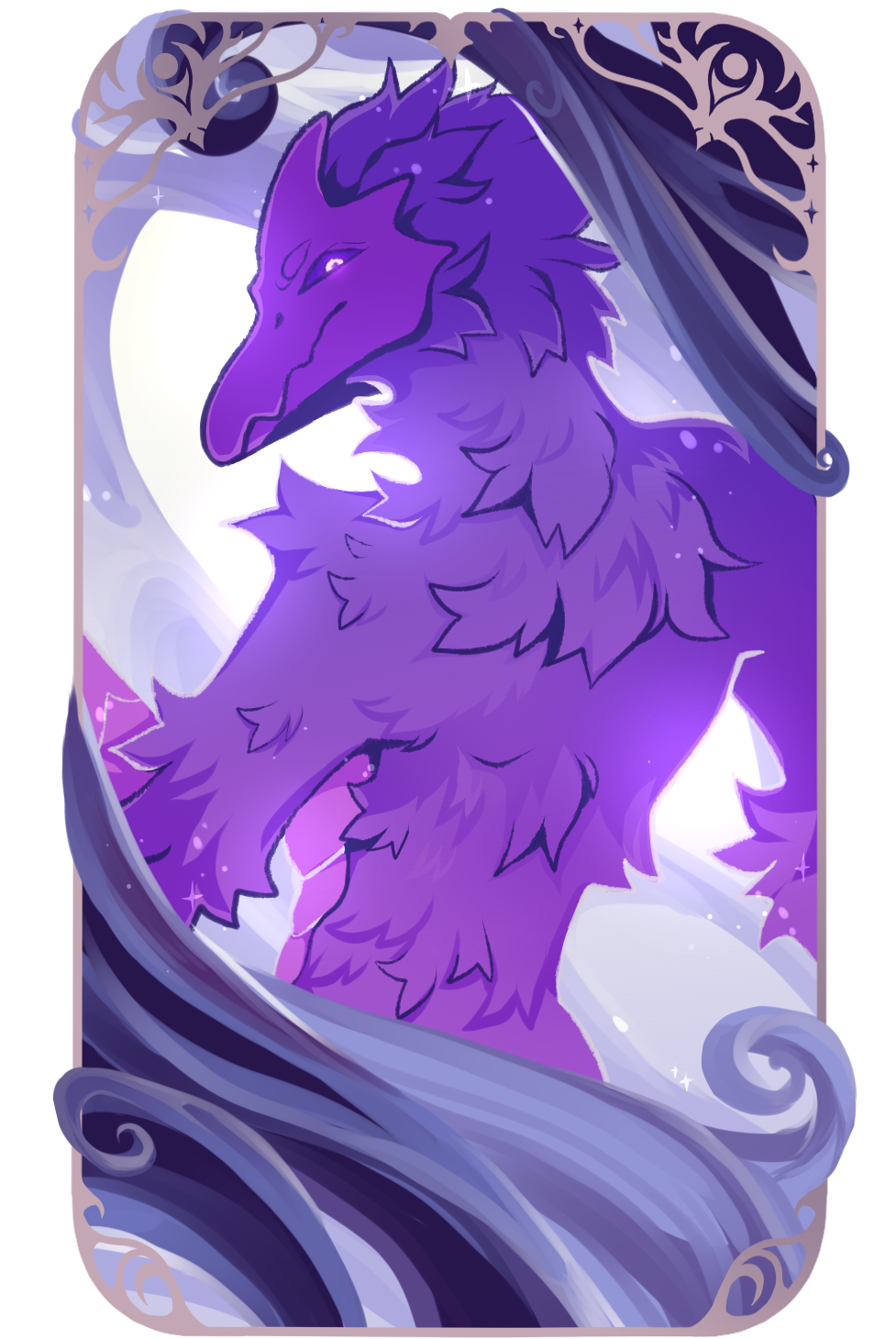
Subtype Overview
- Parent Species: Aphex
- Height: 100–300 cm
- Avg Lifespan: 500+
- World Standing: Elusive/Honour-bound
Blessings
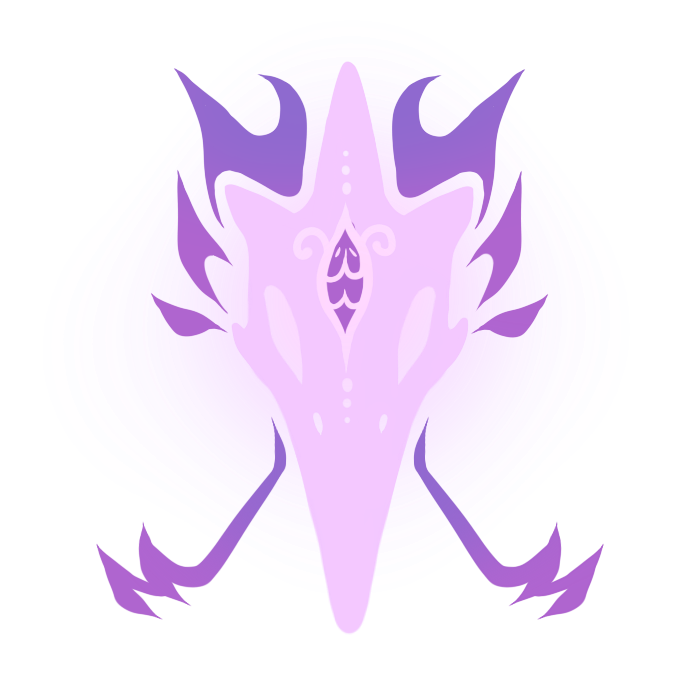
- No blessings listed.
Blights
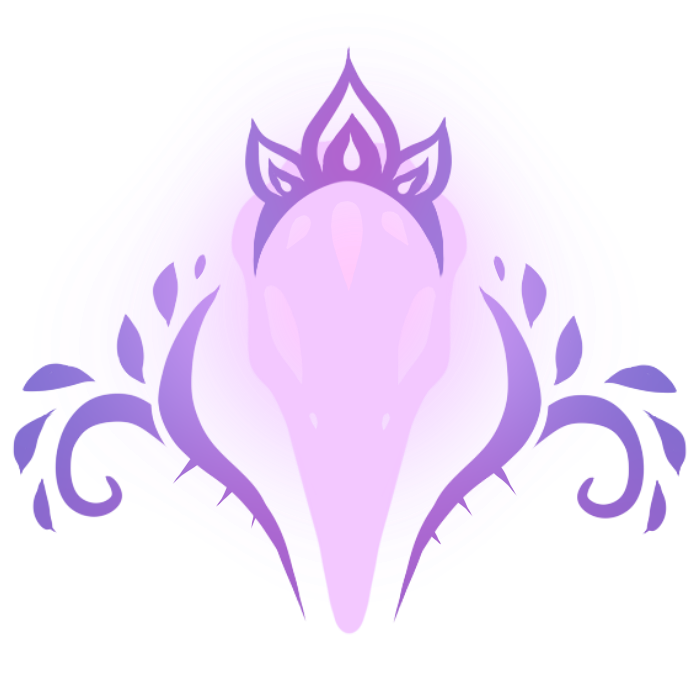
- No blights listed.
Subtype Aspect - Burdenbound Chitin
A Rhakin’s armour grows denser throughout their life, hardening with age, injury, and devotion. In youth, this living armor shields them in battle, giving them an advantage over their opponents. In old age, it becomes their final burden, thickening until movement slows and heat can no longer escape through the vents between their scales. Many Rhakin die encased within their own armour, left behind as silent statues of the vows they once carried.
Base Stats

Diet
-
Rhakin are omnivores, primarily eating meat, fruit, and vegetables.
Lifespan
-
The average lifespan of a Rhakin is 500 years; however, they have been documented to reach longer lifespans if their chitin growth is well managed or unusually soft.
Creation
-
Rhakin produce large eggs, usually one per conception, but on rare occasions, they can have twins within the same egg.
Lore
-
Rhakin are an ancient subtype of Aphex, known for their dense armour-like chitin growths, smoke-vents between their armor scales, and solemn oathbound traditions. They are most often found in deep ruins, old forest sanctuaries, sacred groves, and historically or culturally important locations. Rhakin are believed to descend from an ancient Aphex offshoot shaped during the age of the Ancestors, molded into sentinels to guard religious grounds. Some say they were made to be immortal living guardians, designed to withstand harm that would destroy most bodies while continuously growing stronger after each battle, but such a strength came at a detrimental cost; armor that never stops hardening and growing will always overcome a Rhakin to the point they can no longer physically move or vent heat. Whether this origin is truth or myth, Rhakin are known for their incredible durability and their instinctive draw toward places, people, and promises in need of protection.
Over time, hidden Rhakin communities formed around old ruins and sacred lands. These groups became clans, each with its own traditions, beliefs, and crest-symbols. While many clans use insect imagery, these symbols vary widely, including arachnids and, in rare cases, crustaceans for clans close to the ocean. Dragonflies, beetles, moths, cicadas, mantises, ants, and other creatures may all appear in Rhakin crests, each carrying different meanings depending on the clan. A clan of the Wasp may focus their warriors around the skill of sleight of hand, spear handling, and blades, for example. Not all Rhakin belong to a clan, and not all Rhakin bear a crest. Some are born outside clan life, some leave, some refuse the tradition, and some are never called to take an oath at all. A crest does not make someone Rhakin. Instead, it marks a Rhakin who has chosen, inherited, or accepted a specific burden.
Rhakin are not only known for their ever-hardening armor, but also for the unique steam expelled from between their plates after strenuous pressure or exertion. Often during battle, Rhakin will expel heat through the joints in their armor, allowing them to push their bodies to the absolute limit.
Crests and Oaths
-
Rhakins are known for their sacred oaths, which they carry throughout their lifetime, represented by a crest (or multiple) on the body. Oaths can be decreed at any point during a Rhakins life, usually once they have found a purpose that fuels their existence.
A Rhakin crest is a carved, forged, or shaped emblem that represents an oath. It is usually fused into the body during a clan rite, though the exact method varies between traditions. Some crests are metal, while others may be made from bone, shell, stone, glass, resin, or old relic-materials recovered from ruins. The shape of a crest often reflects the clan that made it. Many clans use insects as sacred symbols, believing them to represent endurance, transformation, labour, protection, or survival. The placement of a crest usually reflects the nature of the oath carried.A crest on the head is often tied to guidance, judgement, memory, or leadership. These Rhakin may carry vows of wisdom, truth, ancestry, or watchfulness. A crest on the chest is often tied to protection, loyalty, devotion, or love. These Rhakin may bind themselves to a person, family, clan, sacred place, or heartfelt duty. A crest on the belly is often tied to endurance, survival, shelter, or nurturing. These Rhakin may carry vows connected to community, food, children, healing, or keeping others alive through hardship. A crest on the hand is often tied to action, labour, service, or sacrifice. These Rhakin may fulfil their vows through craft, rescue, combat, building, guarding, or direct intervention.
The material and colour of a Rhakin crest are not set in universal laws, but many clans share loose associations. Metal crests are often linked to service, duty, protection, and work done for the clan. Dark colours or blackened materials may suggest mourning, secrecy, punishment, grief, or especially serious oaths. Bright colours, painted crests, or warm-toned materials are often associated with nurturing, celebration, family bonds, healing, or vows made in hope rather than hardship. These meanings vary between clans and individuals. A black crest is not always shameful, nor is a bright crest always gentle. Like most Rhakin traditions, the meaning depends on the oath, the clan, and the burden being carried.
Removing a crest is considered a grave act in many Rhakin cultures. To some clans, it represents exile or oathbreaking. To others, it may mark grief, freedom, or the end of a burden that can no longer be carried.

Species Identity
-
To turn your Aphex into a Rhakin, you must apply a Ancient Crest to your design or MYO token.
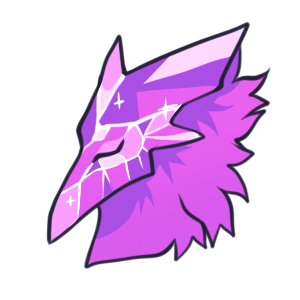
To keep the identity of the species when applying mass amounts of traits or premium tokens, you must keep the following recognisable: Chitin armor on atleast 30% of the arms, legs, and the chest. Armoured head. Mouth. Crests should be in the shape of a pointed oval, any insect, arachnid, or crustacean can be carved to be lore accurate. Can be any tangible material.
Traits
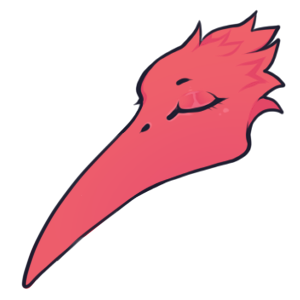
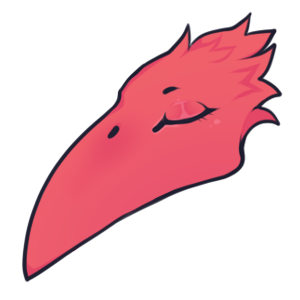
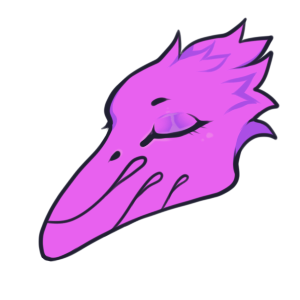
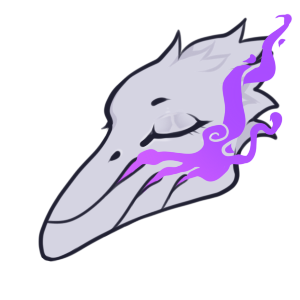
Snout Mutations
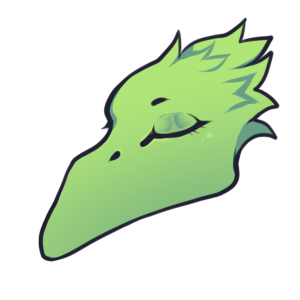
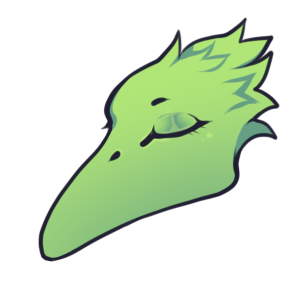
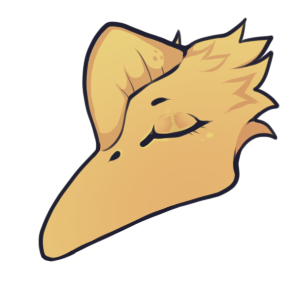
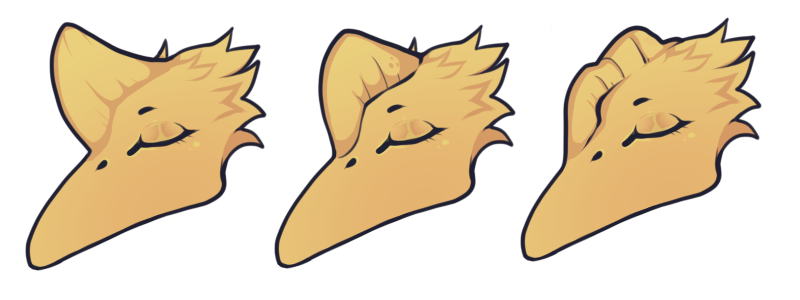
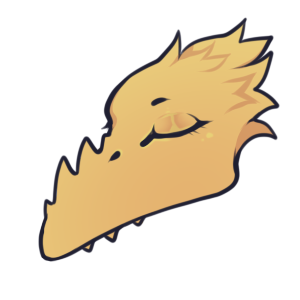
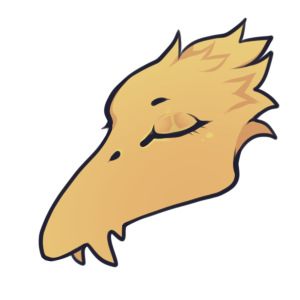
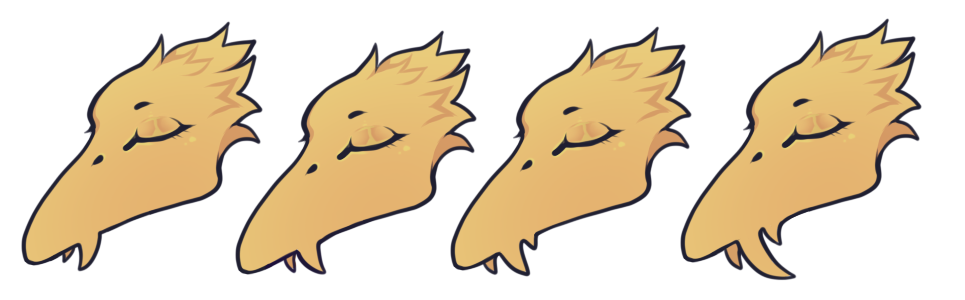
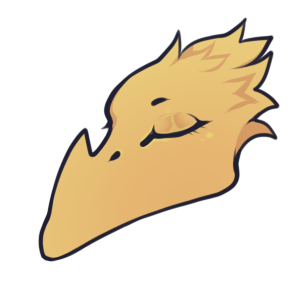
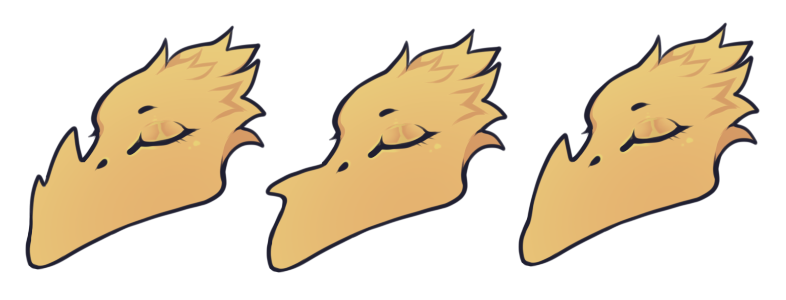
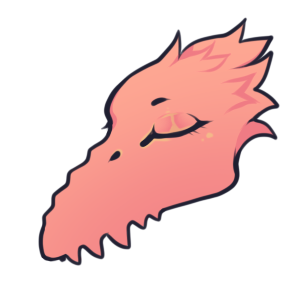
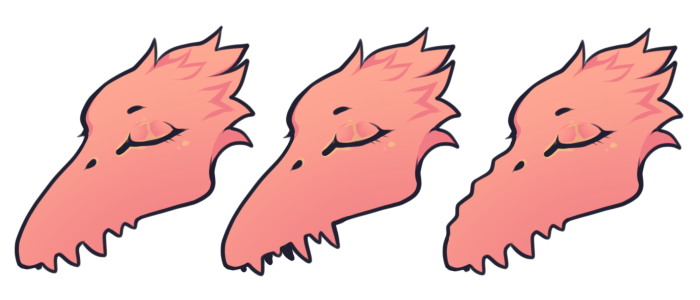
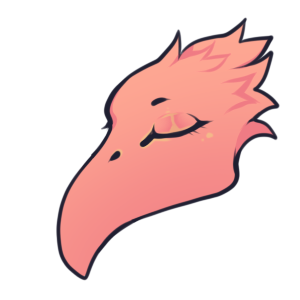
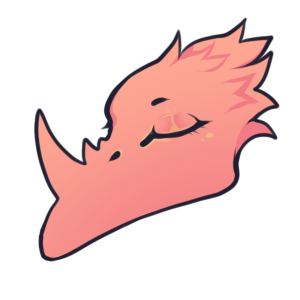
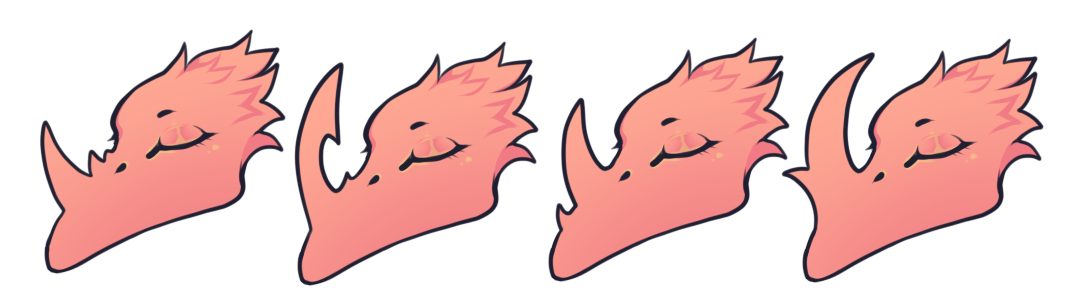
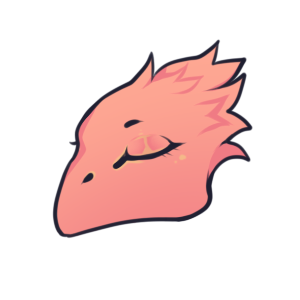
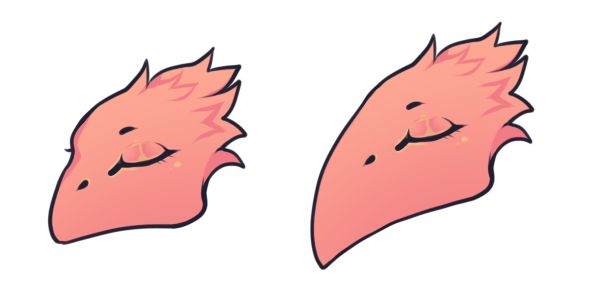
Mouth Mutations
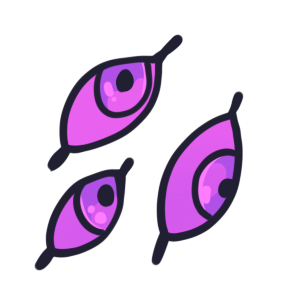
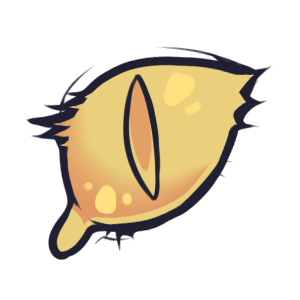
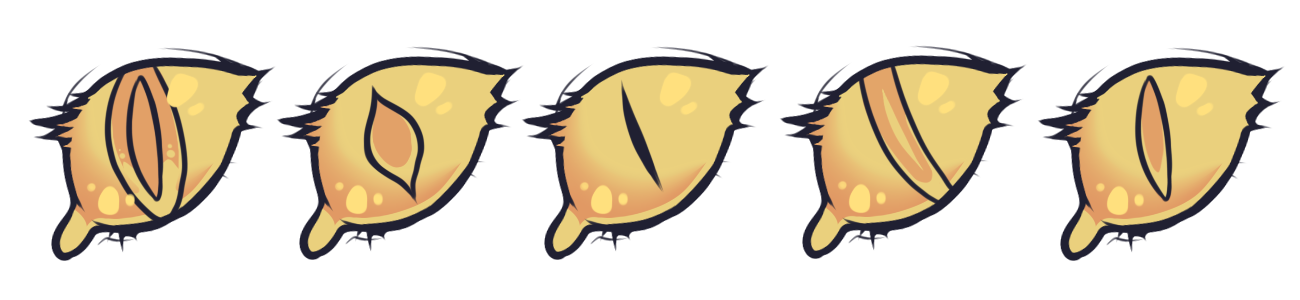
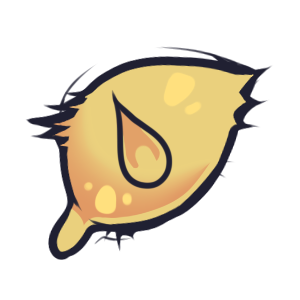
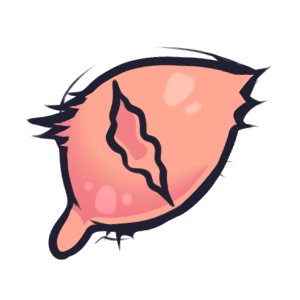
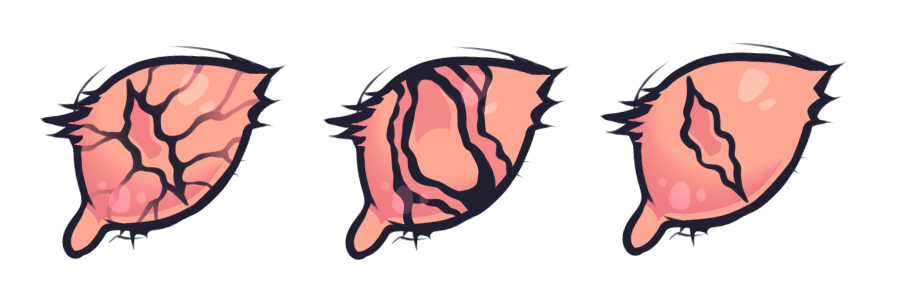
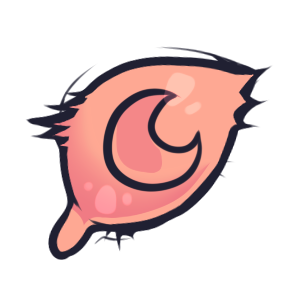
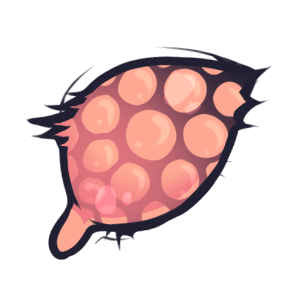
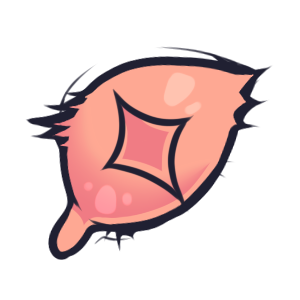
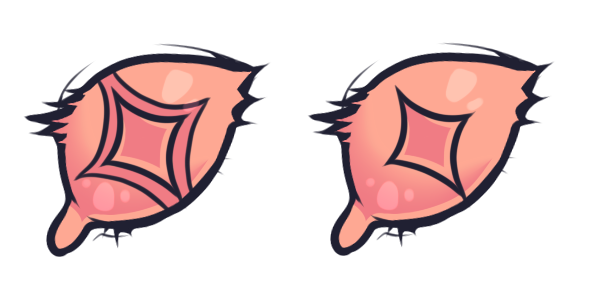
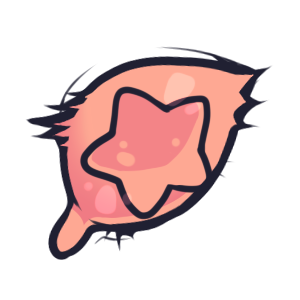
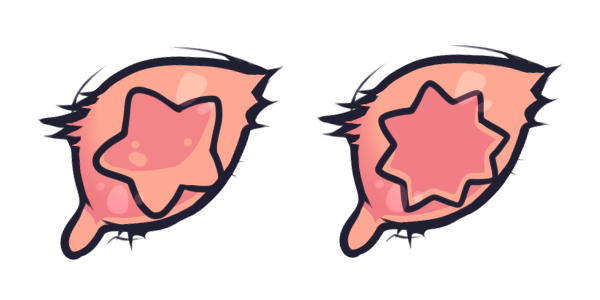
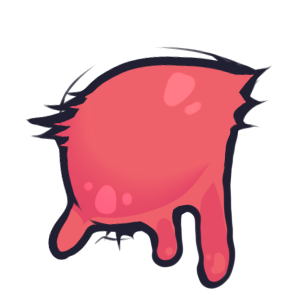
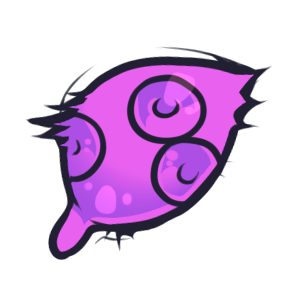
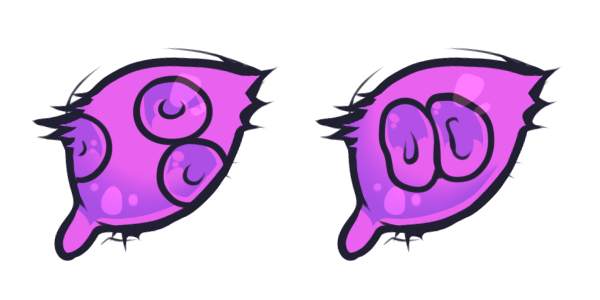
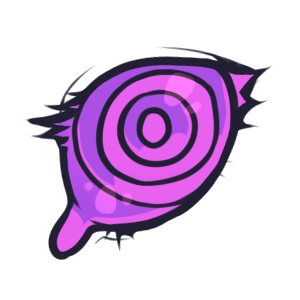
Eye Mutations


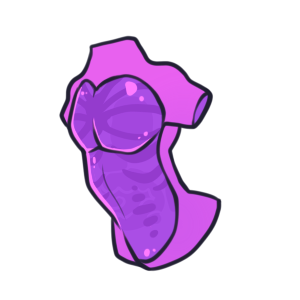
Body Mutations